
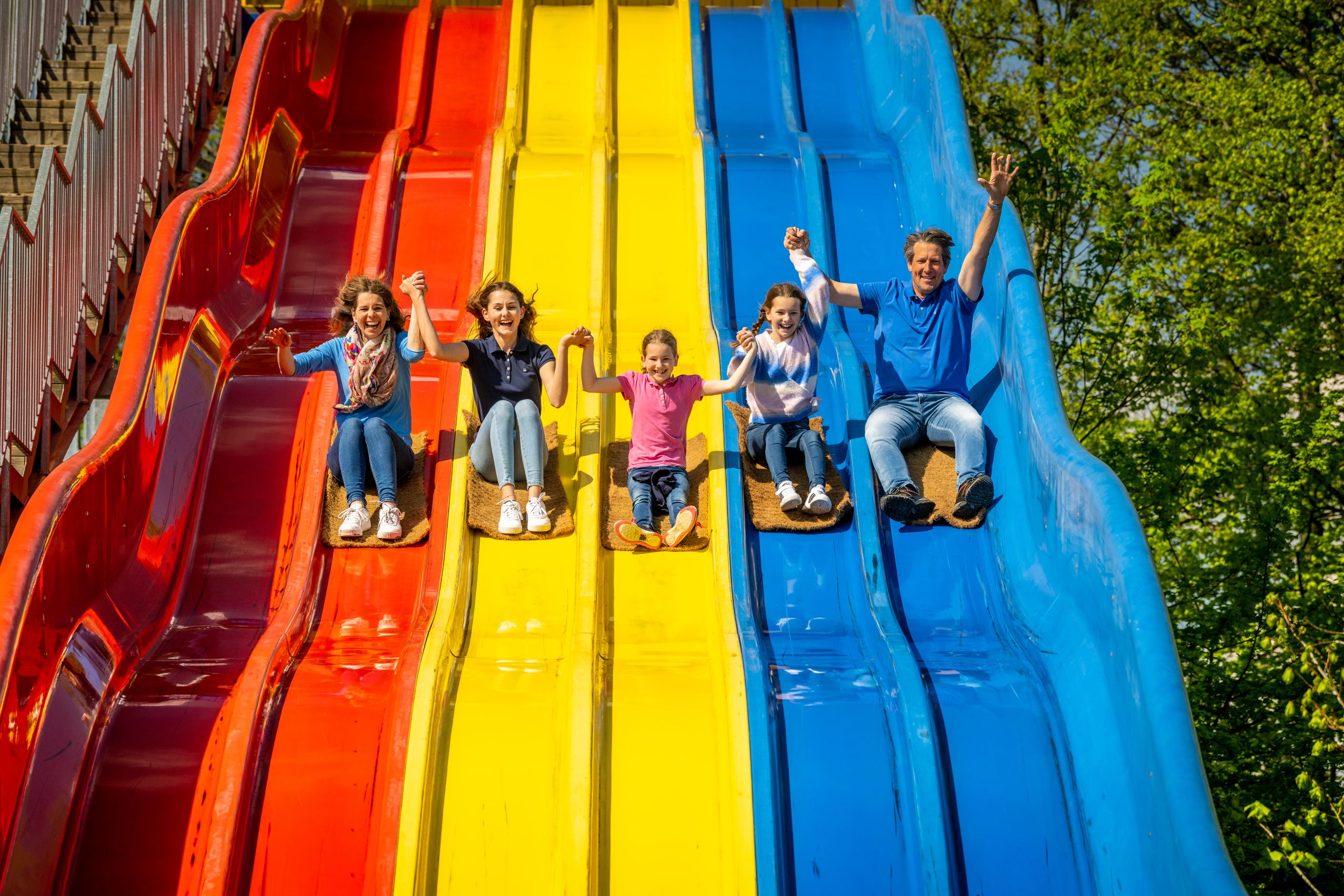
Copyright: Eifel Tourismus GmbH, Dominik Ketz
Places to Visit in the Vulkaneifel
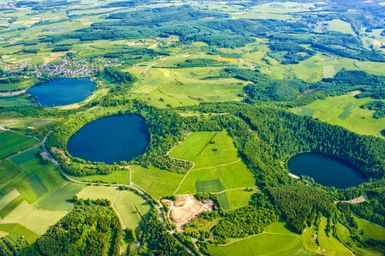
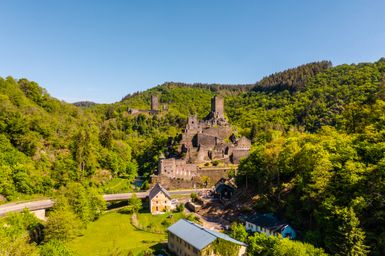
The Vulkaneifel region around Daun, Manderscheid, and Bad Bertrich captivates visitors with a diversity that few other regions can match: deep-blue maars, medieval castles, quaint museums, and experiences for the whole family. Whether it’s sunny or rainy, for young or old—an unforgettable outing always awaits here.
Below, you’ll find all the attractions at a glance.
All Attractions at a Glance
175 results
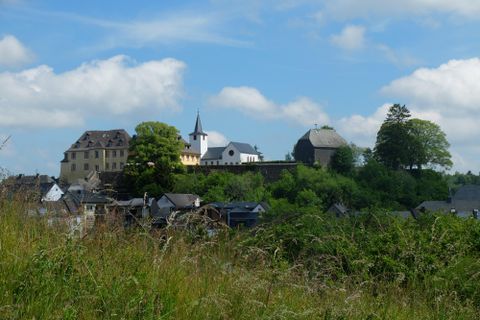
Dauner Burg
DaunOpen today
The castle has been destroyed many times, most recently in the Palatinate War of Succession in 1689 by French troops of Louis XIV, like most Eifel castles. Today only a ring wall and a basement tower with shooting ranges are preserved from the former, probably over 1000 years old Burganlage.
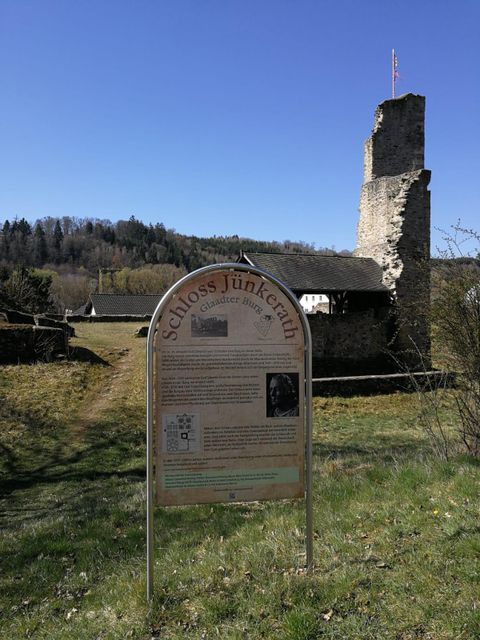
Burgruine - Glaadt
JünkerathOpen today
In the Middle Ages, Glaadt was even more important than Jünkerath, which at that time was only a hut settlement. For this reason, the counts of Blankenheim built a castle there in the 13th century, which was rebuilt into a magnificent hunting lodge at the beginning of the 17th century. However, a lightning strike in the 18th century caused it to burn to the ground.
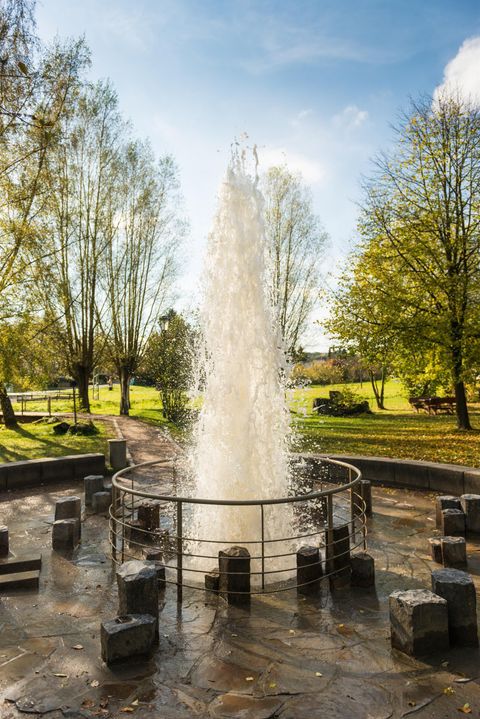
Wallender Born
WallenbornOpen today
A seemingly peaceful fountain awakens, begins to bubbling. Suddenly, a fountain of 9 ° C of cold water shoots into the sky, for six minutes it bubbles up. The haunted by, the "Brubbel" like the locals call their phenomenon affectionate, is just as flashy.
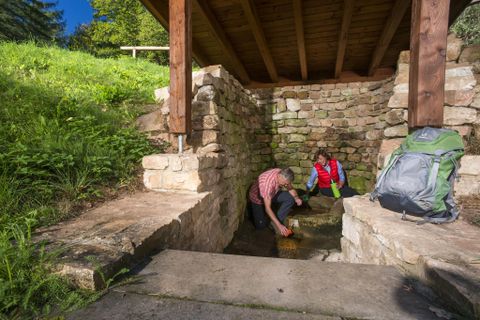
Dreisborn Mineralquelle
BettenfeldOpen today
The “Dreisborn” in the upper Prembach valley below the Mosenberg volcanic group is a constantly producing mineral spring, a so-called “Säuerling” (acidulous spring). The “Dreisborn” belongs to the municipality of Bettenfeld.
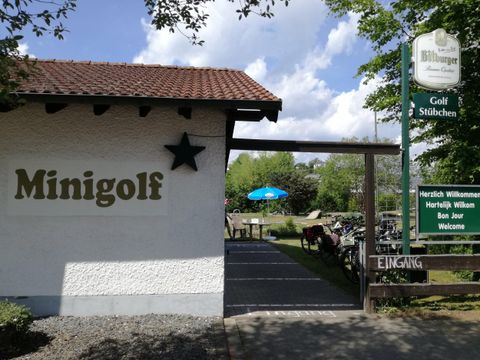
Minigolfanlage Gillenfeld
Gillenfeldclosed today
Experience unforgettable fun on our minigolf course and enjoy an exciting time with family and friends! Come along and be enchanted by our varied courses and the idyllic surroundings.
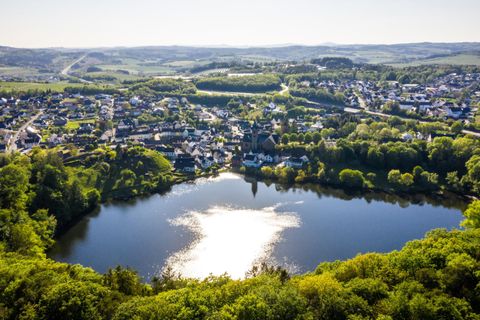
Ulmener Maar
UlmenOpen today
At around 11,000 years old, the Ulmener Maar is the youngest Eifel maar.
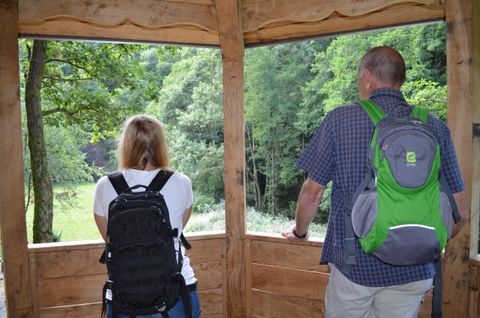
Achtsamkeitspunkt 3 "Regeneration/ Rast"
ManderscheidOpen today
Mindfulness point 3: Regeneration/ rest - the Marienhütte
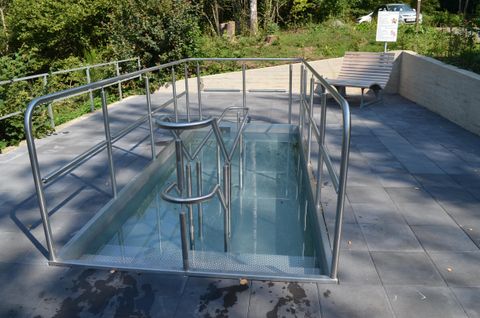
Achtsamkeitspunkt 2 "Erfrischung und Stärkung"
ManderscheidOpen today
Mindfulness point 2: "Refreshment and invigoration" - the water treading pool on the mindfulness trail
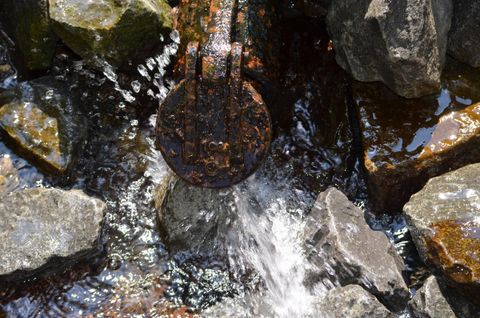
Achtsamkeitspunkt 6 "Zurück zum Ursprung"
ManderscheidOpen today
The mindfulness point 6: Back to the source - The beginning is always the source.
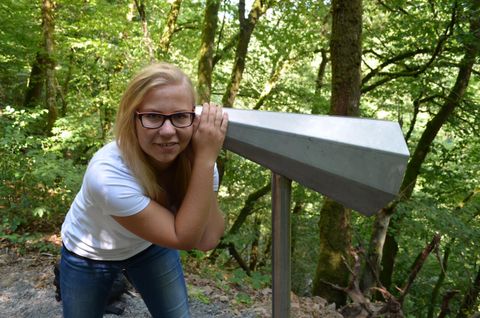
Achtsamkeitspunkt 5 "Ort des Hörens"
ManderscheidOpen today
Mindfulness point 5: Place of listening - different possibilities of perception