
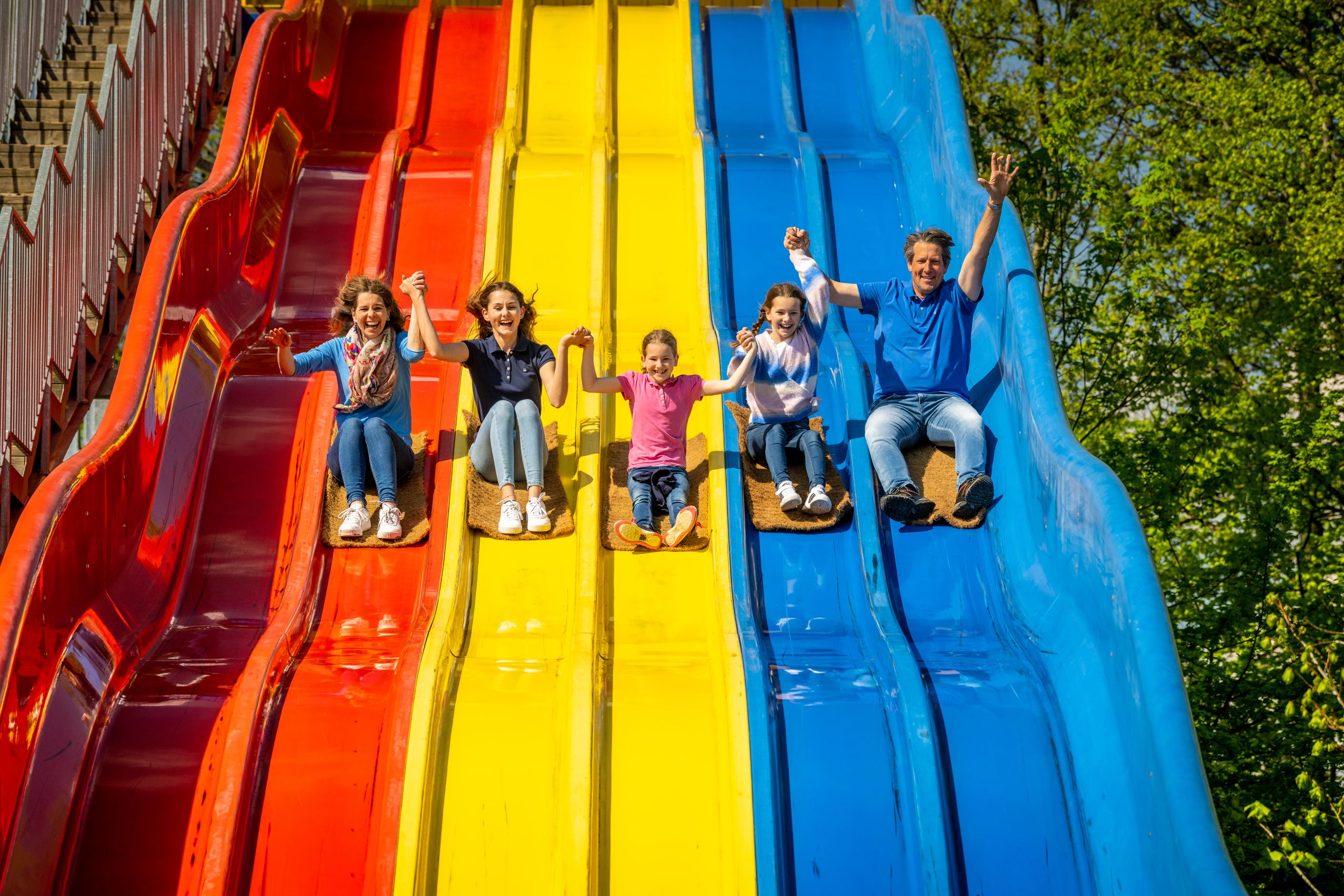
Copyright: Eifel Tourismus GmbH, Dominik Ketz
Places to Visit in the Vulkaneifel
The Vulkaneifel region around Daun, Manderscheid, and Bad Bertrich captivates visitors with a diversity that few other regions can match: deep-blue maars, medieval castles, quaint museums, and experiences for the whole family. Whether it’s sunny or rainy, for young or old—an unforgettable outing always awaits here.
Below, you’ll find all the attractions at a glance.
All Attractions at a Glance
175 results
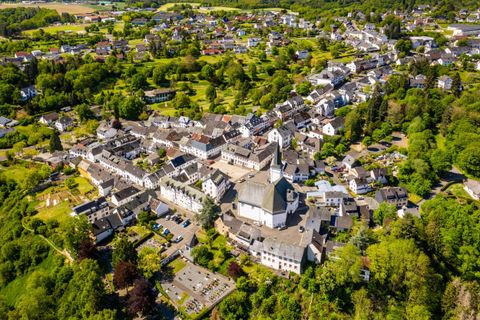
Lebensbaumkirche Manderscheid
ManderscheidOpen today
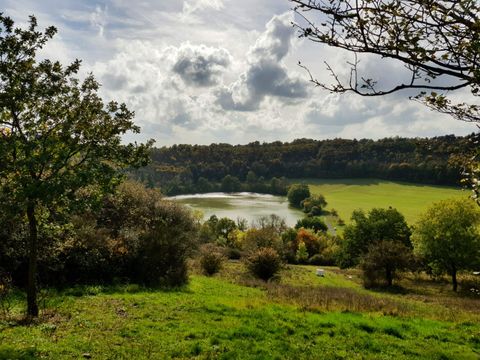
The Catholic church in Manderscheid could probably tell many stories about the last centuries. It was first mentioned in 1330. It is called the Tree of Life Church because a tree of life in the form of a column grows from the baptismal font in the crypt.
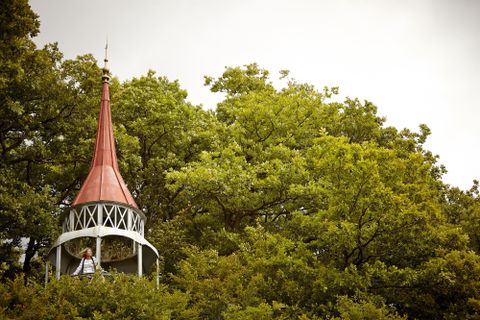
Hohenzollernturm
Bad BertrichOpen today
Hohenzollern Tower Enjoy the beautiful view of Bad Bertrich and the surrounding hills. Accessible via the local circular walk "Kurschattensteig" et "Wasserfall Erlebnisroute".
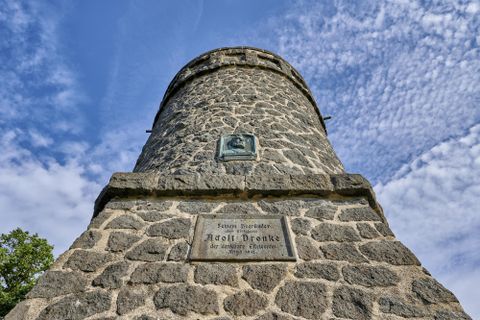
Dronketurm
DaunOpen today
Climb the 11m high "Dronketurm" on the Mäuseberg near the "Weinfeld Maar" and enjoy an incredible panoramic view over the GesundLand Vulkaneifel around Daun.
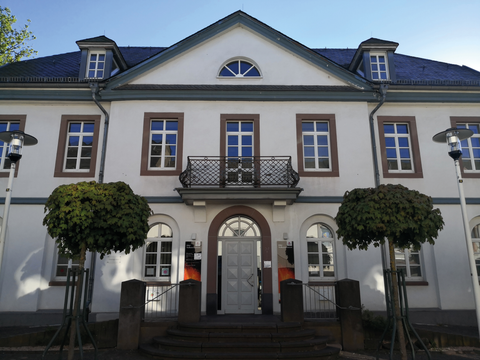
Eifel Volcano Museum
Daunclosed today
Visit the Vulkanmuseum Daun and experience the fascinating history of volcanism!

Kurarzt Plamen Shenkov
Bad BertrichOpen today
Specialist in general medicine, as well as spa and bath doctor.
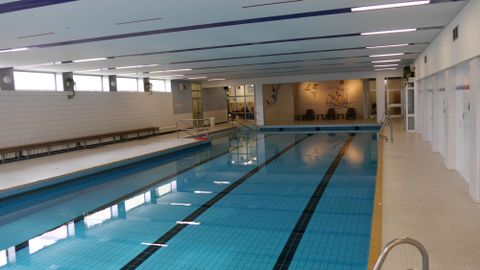
Schwimmbad/Hallenbad - Jünkerath
JünkerathOpen today
Swim your laps and relax in the indoor pool in Jünkerath.
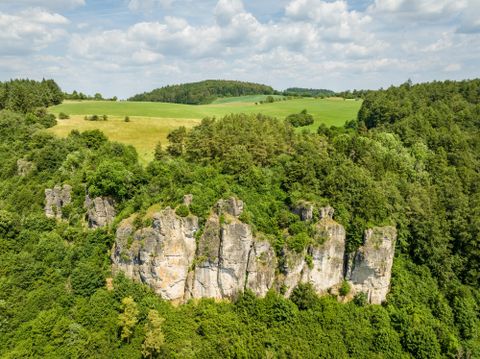
Gerolsteiner Dolomiten
GerolsteinOpen today
The rocks “Hustley”, “Munterley”, “Drohende Ley”, “Große Kanzel” and “Auberg” shape the cityscape from afar and form Gerolstein’s landmark. The most famous peak of the Gerolstein Dolomites is the "Munterley" - with an altitude of 482 meters.
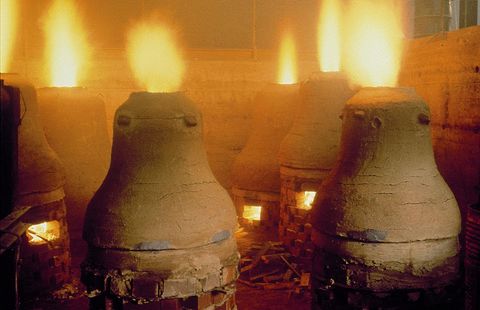
Eifeler Glockengießerei Brockscheid
BrockscheidThe Eifel bell foundry is known worldwide for its handcrafted bells.
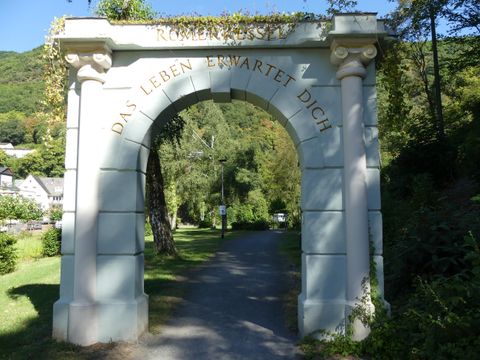


Landschaftstherapeutischer Park Römerkessel
Bad BertrichOpen today
Visit Europe's first landscape therapeutic park in Bad Bertrich and feel the calming effect of nature for yourself. Seven themed gardens show you how to let go of everyday life and find peace of mind.