
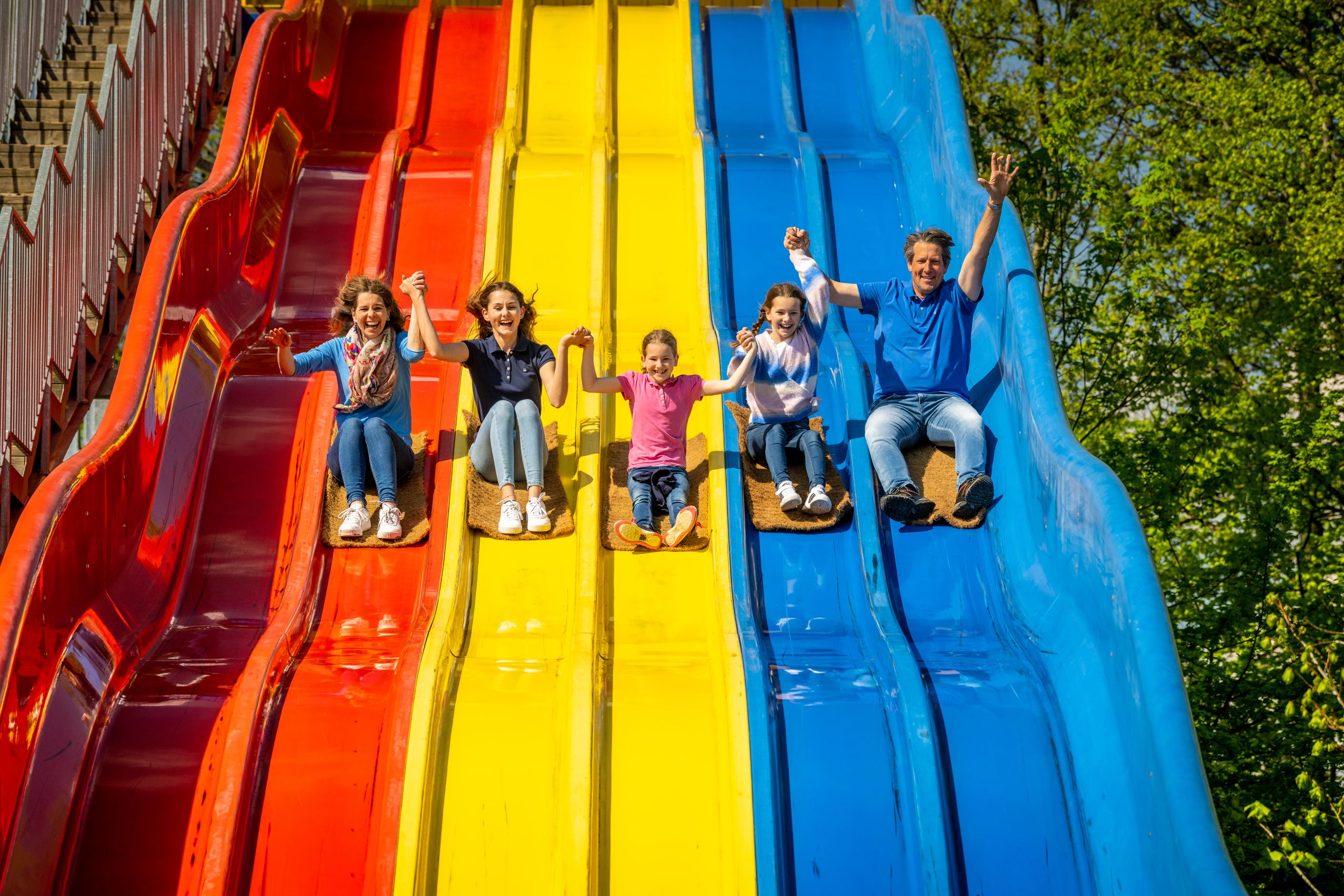
Copyright: Eifel Tourismus GmbH, Dominik Ketz
Places to Visit in the Vulkaneifel
The Vulkaneifel region around Daun, Manderscheid, and Bad Bertrich captivates visitors with a diversity that few other regions can match: deep-blue maars, medieval castles, quaint museums, and experiences for the whole family. Whether it’s sunny or rainy, for young or old—an unforgettable outing always awaits here.
Below, you’ll find all the attractions at a glance.
All Attractions at a Glance
175 results
Palmberg Bad Bertrich
Bad BertrichOpen today
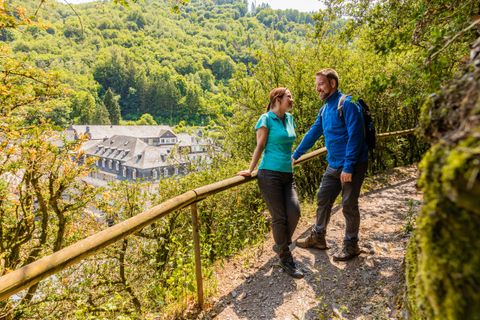
Above the spa garden, naturally occurring Buxus Sempervirens (evergreen boxwood), popularly known as "Palm", grow on the slope. It is one of the largest areas of boxwood north of the Alps.
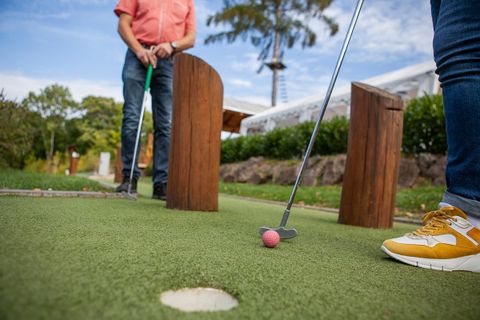
Adventure-Minigolf - Natur, Sport & Abenteuer
Berlingenclosed today
Adventure Minigolf is the perfect combination of nature, sport and adventure.
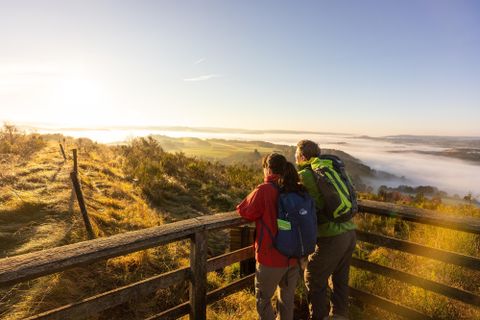
The millstone caves of the Rother Kopf
GerolsteinOpen today
The 566-meter-high, erosion-shaped volcanic cone is home to the impressive millstone caves, where angular lava clinker and porous rock provide an impressive insight into the volcanic past of the region.
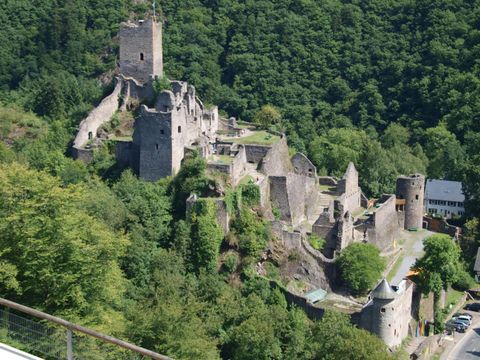
Niederburg Manderscheid
ManderscheidOpen today
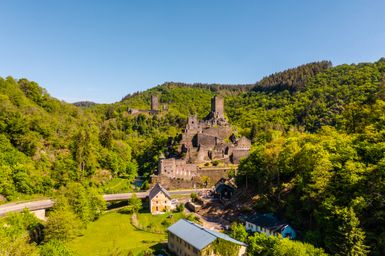
The Niederburg, first mentioned in a document in 1173, was always owned by the Manderscheider dynasty of counts. Here you can get a hands-on experience of the Middle Ages! Especially at the annual "Historical Ford Festival" on the last weekend in August.
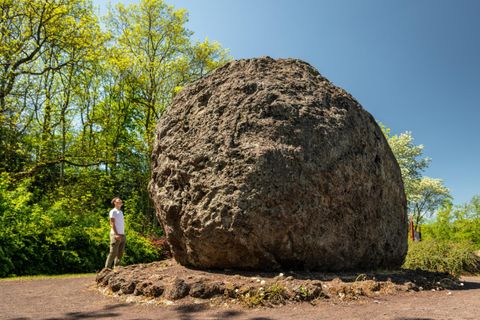
Lavabomb
StrohnOpen today
Explore the origins of the massive Strohn Lava Bomb on-site and witness the power of volcanism in the Eifel region firsthand.
Kurgarten Bad Bertrich
Bad BertrichOpen today
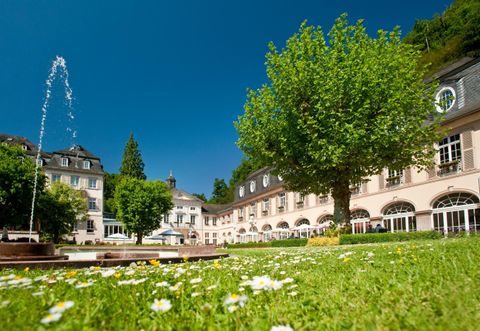
Enjoy the calming effect of nature in the Bad Bertrich spa garden. The chirping of birds, the splendour of the blossoms and the rays of the sun make the spa garden a favourite place for all those who enjoy spending time in nature. From time to time you can enjoy concerts in the most beautiful atmosphere in the spa garden. The Glauber's salt spring invites you to take a drinking cure.
Glaubersalzthermalquelle/ Bergquelle Bad Bertrich
Bad BertrichOpen today
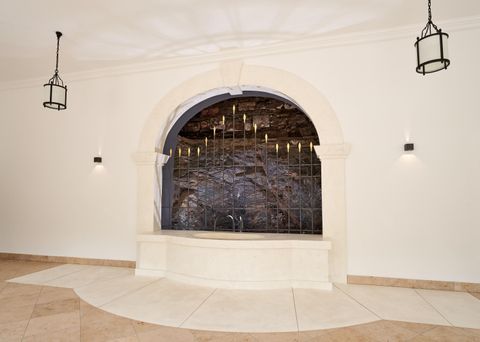
The Bad Bertrich healing spring is Germany's only Glauber salt thermal spring with a "naturally warm" temperature of 32° C. The healing spring was already recognised and secured by the Romans around 2,000 years ago.
Schalkenmehrener Maar
SchalkenmehrenOpen today
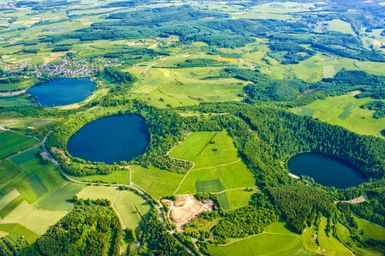
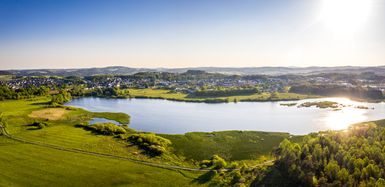
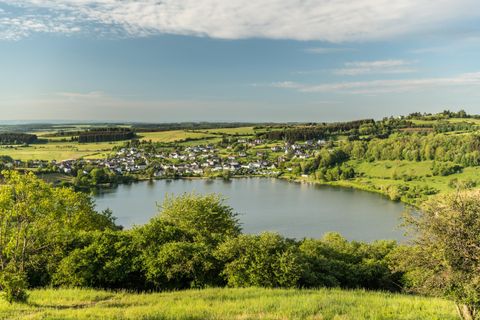
Especially if you visit the GesundLand Vulkaneifel in summer, a detour to the Schalkenmehren Maar is a must. Located directly at the village of the same name and opposite the Weinfelder Maar, the Schalkenmehrener Maar is one of the three Dauner Maars and offers a wonderful backdrop for an extended walk or an extensive hike. If you look closely, you can see that the Schalkenmehren Maar was once a double maar, formed by volcanic activity around 20,000 to 30,000 years ago. But the tuffs of the western maar filled up the eastern maar funnel, so that nothing can be seen of the second maar today, except for the fen vegetation that has spread in this area. Take a little discovery tour and observe numerous animal and plant species along the way!
Pulvermaar
GillenfeldOpen today
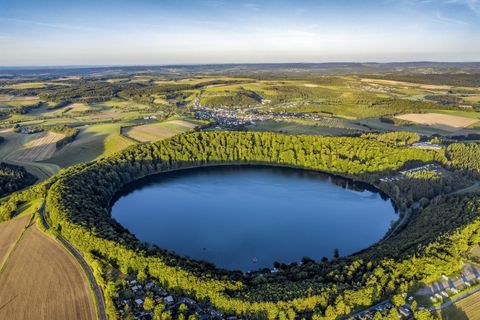
Discover the unfathomable depths of the Pulvermaar! Located directly near Gillenfeld, the Pulvermaar is the deepest maar in the Eifel at 74 metres. It is surrounded by beautiful beech forest and in summer is a popular address for all those who want to swim or go boating in the midst of beautiful nature.
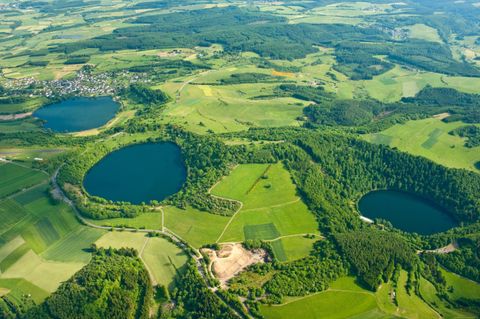
Maare der Vulkaneifel
DaunOpen today
Powerful natural forces created these unique natural beauties. The "eyes of the Eifel", as they are commonly known, shimmer deep blue and captivate their visitors.